

Embark on a journey through the world of custom home exteriors, where individuality meets architectural innovation. Discover how personalized touches can transform the facade of a house into a reflection of personal style and preferences.
Delve into the details of design, materials, and landscaping that play a pivotal role in creating bespoke exteriors that stand out from the rest.
Custom Home Exteriors
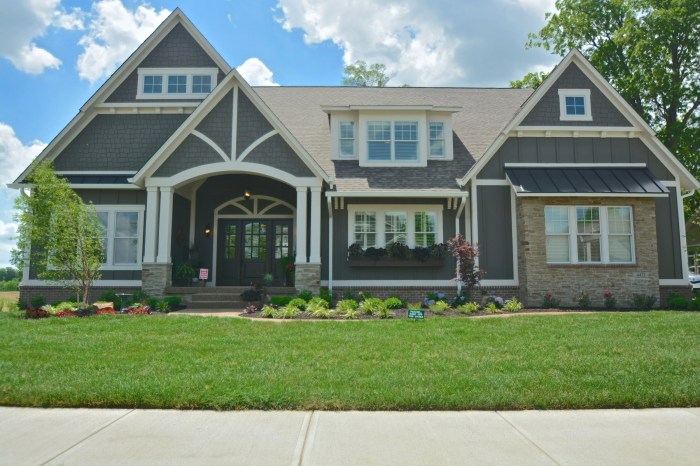
Custom home exteriors refer to the unique and personalized design elements that homeowners can incorporate into the outside appearance of their houses. This customization allows individuals to express their style preferences and create a home that truly reflects their personality.
Examples of Customizable Elements in Home Exteriors
- Exterior Paint Colors: Homeowners can choose from a wide range of colors to paint the exterior of their homes, allowing them to create a distinct look that suits their taste.
- Siding Materials: Different types of siding materials such as wood, vinyl, brick, or stucco can be selected to enhance the aesthetic appeal and functionality of the home.
- Roofing Options: From traditional asphalt shingles to modern metal roofs, there are various roofing materials available for homeowners to choose from based on their preferences and budget.
- Architectural Details: Customizing architectural features like window styles, door designs, and trim details can add character and uniqueness to the home's exterior.
The Importance of Customizing Exteriors Based on Individual Preferences
Customizing home exteriors is crucial as it allows homeowners to create a living space that aligns with their lifestyle, values, and design tastes. By incorporating personalized elements into the exterior design, individuals can enhance curb appeal, increase property value, and establish a sense of belonging and pride in their home.
Design and Architecture
When it comes to custom home exteriors, design plays a crucial role in creating a unique and visually appealing look for a home. The architectural style chosen can greatly influence the overall aesthetic of the exterior.
Architectural Styles for Customized Exteriors
There are several architectural styles that can be tailored to suit custom home exteriors, each offering a distinct look and feel. Some popular options include:
- Modern: Known for its clean lines, large windows, and open floor plans, modern architecture can give a sleek and contemporary look to a custom home exterior.
- Traditional: Featuring classic elements like gabled roofs, dormer windows, and symmetrical facades, traditional architecture can lend a timeless and elegant charm to a home's exterior.
- Craftsman: Characterized by handcrafted details, exposed beams, and natural materials, craftsman architecture can add warmth and character to a custom home exterior.
- Colonial: With its stately columns, brick or wood siding, and symmetrical design, colonial architecture offers a formal and traditional appearance for custom home exteriors.
Key Architectural Features for Customization
There are various architectural features that can be customized to enhance the exterior of a custom home, allowing homeowners to personalize their space according to their preferences. Some key features include:
- Siding: Options like wood, vinyl, brick, or stucco can be chosen to create a specific look and texture for the exterior walls.
- Roofing: Different roofing materials such as shingles, metal, or tiles can be selected to complement the overall style of the home.
- Windows and Doors: Choosing unique window shapes, sizes, and styles, as well as distinctive door designs, can add character and visual interest to the exterior.
- Trim and Molding: Customizing the trim details, moldings, and accents can enhance the architectural elements and create a cohesive look for the exterior.
Materials and Finishes
Custom home exteriors offer a wide range of materials and finishes to choose from, each contributing to the overall look and feel of the home. The selection of materials and finishes plays a crucial role in defining the style, durability, and sustainability of a custom home exterior.
Commonly Used Materials
When it comes to custom home exteriors, various materials are commonly used to achieve different aesthetics and functionalities. Some popular options include:
- Brick: Known for its durability and classic look, brick offers a timeless appeal to custom homes.
- Wood: Whether natural or engineered, wood adds warmth and character to the exterior of a home.
- Stone: Stone facades can create a sense of luxury and elegance, enhancing the curb appeal of a custom home.
- Stucco: This versatile material can be textured and colored to achieve different styles, from traditional to modern.
Impact of Finishes
The finishes applied to the chosen materials can significantly impact the overall look of a custom home exterior. Whether matte, gloss, or textured, finishes can enhance the aesthetic appeal and durability of the exterior
Sustainable Options
As the focus on sustainability grows, homeowners are increasingly opting for eco-friendly materials in custom home exteriors. Sustainable options such as recycled wood, bamboo, metal panels, and fiber cement siding are gaining popularity for their durability and environmentally friendly properties.
These materials not only reduce the environmental impact but also contribute to energy efficiency and long-term cost savings.
Landscaping and Outdoor Spaces
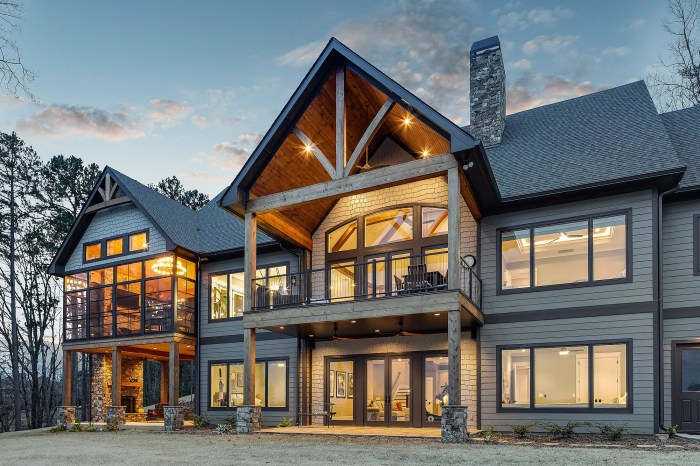
Landscaping plays a crucial role in enhancing the overall look and feel of custom home exteriors. It not only adds curb appeal but also creates a seamless transition between the indoor and outdoor living spaces. Integrating outdoor living spaces into the design of custom exteriors can greatly enhance the functionality and aesthetic appeal of the home.
Additionally, cohesive design between the home exterior and outdoor spaces is essential to create a harmonious and visually appealing environment.
Enhancing Custom Exteriors with Landscaping
Landscaping can enhance custom home exteriors in various ways, such as:
- Adding greenery and colorful plants to create a welcoming and vibrant exterior.
- Incorporating hardscaping elements like pathways, patios, and retaining walls for added functionality and visual interest.
- Using lighting to highlight key architectural features and create a warm ambiance during the evening.
- Installing water features like fountains or ponds to add a sense of tranquility and luxury to the outdoor space.
Integrating Outdoor Living Spaces
Outdoor living spaces can be seamlessly integrated into the design of custom exteriors to maximize the use of the outdoor area. Some ideas include:
- Creating a covered patio or deck that extends the indoor living space outdoors for entertaining and relaxation.
- Designing an outdoor kitchen or dining area for al fresco dining and hosting gatherings.
- Incorporating a fire pit or fireplace for warmth and ambiance on cool evenings.
- Adding comfortable seating areas, such as lounge chairs or a cozy outdoor sofa, for lounging and enjoying the outdoors.
Importance of Cohesive Design
Ensuring cohesive design between the home exterior and outdoor spaces is crucial for a unified and harmonious look. This can be achieved by:
- Using complementary colors, materials, and textures in both the home exterior and landscaping to create a cohesive aesthetic.
- Considering the overall style and architecture of the home when designing outdoor spaces to maintain a consistent design language.
- Creating seamless transitions between indoor and outdoor spaces through the use of elements like sliding glass doors, large windows, or open floor plans.
- Continuing the design theme from the interior of the home to the exterior to create a cohesive flow throughout the entire property.
Conclusion
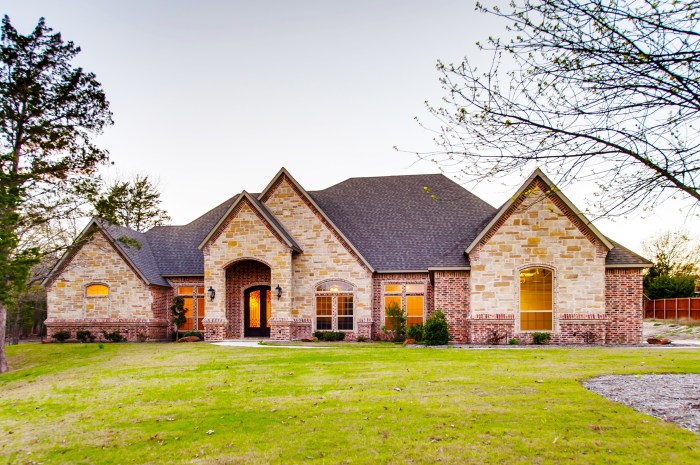
In conclusion, custom home exteriors offer a canvas for self-expression and creativity, allowing homeowners to curate a living space that is truly one-of-a-kind. From design to landscaping, the possibilities are endless when it comes to shaping a home exterior that speaks volumes about its owners' unique taste and personality.
Query Resolution
What are some common customizable elements in home exteriors?
Examples of customizable elements include exterior paint colors, siding materials, roofing styles, and architectural details like windows and doors.
How does landscaping contribute to custom home exteriors?
Landscaping enhances the curb appeal of a home by adding greenery, hardscaping elements, and outdoor living spaces that complement the overall design aesthetic.
What are sustainable material options for custom home exteriors?
Sustainable materials like reclaimed wood, recycled metal, and eco-friendly paints can be used to create environmentally conscious custom home exteriors.