
Delving into How to Analyze Auto Policy Quotes Like an Expert, this introduction immerses readers in a unique and compelling narrative. Understanding auto policy quotes is crucial in making informed decisions about insurance coverage, and this guide will equip you with the necessary tools to analyze quotes like a pro.
Exploring key terminologies, comparing quotes, evaluating coverage options, and understanding policy details are all essential steps to becoming an expert in auto policy analysis.
Understanding Auto Policy Quotes
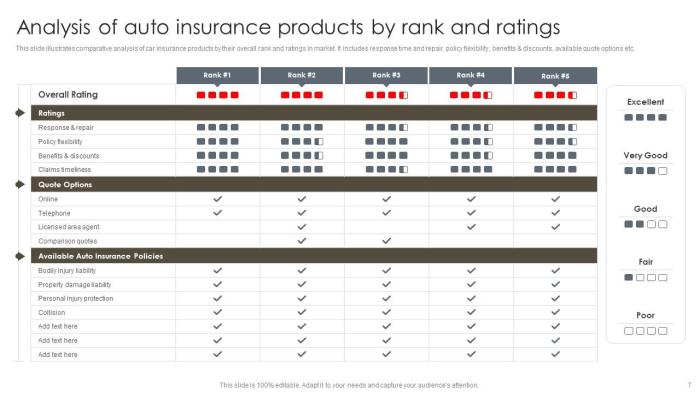
When analyzing auto policy quotes, it is essential to understand key terminologies and components to make informed decisions about coverage options. Let's delve into the details to help you navigate through auto policy quotes like an expert.
Key Terminologies in Auto Policy Quotes
- Premium:The amount you pay for your auto insurance coverage.
- Deductible:The amount you are responsible for paying out of pocket before your insurance kicks in.
- Coverage Limits:The maximum amount your insurance will pay for covered losses.
Components in Auto Policy Quotes
- Liability Coverage: Protects you if you are at fault in an accident and covers the other party's medical expenses and property damage.
- Collision Coverage: Pays for repairs to your vehicle after a collision with another vehicle or object.
- Comprehensive Coverage: Covers damage to your vehicle from incidents other than collisions, such as theft, vandalism, or natural disasters.
The Importance of Deductibles and Coverage Limits
- Choosing a higher deductible can lower your premium but means you'll pay more out of pocket in the event of a claim.
- Understanding coverage limits ensures you have adequate protection in case of a serious accident or loss.
Variations in Auto Policy Quotes
- Quotes can vary based on the type and amount of coverage selected, driving record, age, and the make and model of the vehicle.
- Adding optional coverage like roadside assistance or rental car reimbursement can impact the overall cost of the policy.
Comparing Quotes from Different Providers
When looking to compare auto policy quotes from different insurance providers, it is essential to follow a systematic approach to ensure you are making an informed decision. Here is a step-by-step guide on how to effectively compare quotes and choose the best option for your needs.
Factors to Consider When Comparing Quotes
- Look for discounts: Check for any discounts offered by each insurance provider, such as safe driver discounts, multi-policy discounts, or discounts for good students. These can significantly impact the overall cost of your policy.
- Evaluate customer service: Research the reputation of each insurance provider for their customer service. Look for online reviews and ratings to get an idea of how they treat their customers.
- Consider reputation: Consider the reputation of each insurance provider in the industry. Look for any awards or recognition they have received, as this can indicate their reliability and trustworthiness.
Identifying Hidden Costs or Fees
- Read the fine print: Carefully review the policy details to identify any hidden costs or fees that may not be immediately apparent. Pay attention to deductibles, coverage limits, and any additional charges that may apply.
- Ask questions: Don't hesitate to ask the insurance provider directly about any fees or charges that are not clearly Artikeld in the quote. It's important to have a clear understanding of all costs involved before making a decision.
Tips for Accurate Comparison
- Provide consistent information: Make sure to provide the same information to each insurance provider when requesting a quote. This will ensure that you are comparing quotes based on identical factors.
- Use a comparison tool: Consider using an online comparison tool that allows you to input your information once and receive quotes from multiple providers. This can streamline the process and make it easier to compare options.
Evaluating Coverage Options
When it comes to auto insurance policies, there are various coverage options available to drivers
Types of Coverage Options
Auto insurance policies typically offer the following types of coverage:
- Liability Coverage: This covers damages or injuries you cause to others in an accident.
- Collision Coverage: This pays for damages to your vehicle in case of a collision.
- Comprehensive Coverage: This covers damages to your vehicle from non-collision incidents like theft, vandalism, or natural disasters.
- Personal Injury Protection (PIP): This covers medical expenses for you and your passengers regardless of fault.
Assessing Your Individual Needs
Before selecting coverage options, consider factors such as the value of your vehicle, your driving habits, and your financial situation. For example, if you have a new car, comprehensive coverage may be a wise choice to protect against theft or damage.
On the other hand, if you have an older vehicle, you may opt for liability coverage to meet state requirements.
Implications of Optional Coverage
Optional coverage like comprehensive and collision can significantly impact your insurance premium. While they provide additional protection, they also come with higher costs. It's essential to weigh the benefits against the expenses to determine if these options are suitable for your situation.
Beneficial Scenarios for Coverage Options
- Comprehensive Coverage: If you live in an area prone to natural disasters or have a high-risk of theft, comprehensive coverage can offer peace of mind.
- Collision Coverage: For new or leased vehicles, collision coverage can help cover repair costs in case of an accident.
- Personal Injury Protection: If you don't have health insurance or want coverage for medical expenses regardless of fault, PIP can be beneficial.
Understanding Policy Details
When analyzing auto policy quotes, it is crucial to pay close attention to the policy details. Understanding the fine print can help you make an informed decision and avoid any surprises in the future.Exclusions and limitations are common in auto policies and can significantly impact your coverage.
It is essential to be aware of these restrictions to ensure you have the protection you need. Some common exclusions may include pre-existing conditions, intentional acts, and certain types of vehicles or drivers.If you come across any ambiguities or uncertainties in the policy details, do not hesitate to reach out to the insurance provider for clarification.
It is better to have a clear understanding of your coverage upfront than to be caught off guard later on.Reviewing policy details before making a decision is crucial. Take the time to carefully read through the terms and conditions to ensure you are comfortable with the coverage provided.
Don't hesitate to ask questions or seek clarification on any points that are unclear.
Tips for Reading and Interpreting Policy Details
- Read the fine print carefully to understand the scope of coverage and any limitations.
- Pay attention to exclusions that may impact your ability to make a claim in certain situations.
- Ask for clarification from the insurance provider if you have any doubts or uncertainties.
- Review the policy details thoroughly before finalizing your decision to ensure you are adequately protected.
Final Summary
In conclusion, mastering the art of analyzing auto policy quotes is a valuable skill that can save you money and ensure you have the right coverage. By following the steps Artikeld in this guide, you can navigate the complexities of insurance policies with confidence and expertise.
Q&A
How can I identify hidden costs in auto policy quotes?
Look for any additional fees or charges not explicitly mentioned in the quote. These could include processing fees, administrative costs, or surcharges.
Why is it important to understand deductibles and coverage limits in auto policies?
Understanding deductibles and coverage limits helps you determine how much you'll be responsible for in case of an accident and whether the policy provides adequate protection.
What are common exclusions in auto policies?
Common exclusions can include intentional damage, racing, using the vehicle for hire, or driving under the influence. It's crucial to be aware of these to avoid surprises later.