
Delve into the world of Car and House Insurance Quotes: Are Bundles Always Cheaper? as we explore the dynamics of bundled insurance packages, shedding light on whether they truly offer cost-effective solutions.
Uncover the intricacies of bundled insurance policies, from the factors influencing prices to the customization options available, in this comprehensive discussion.
Introduction to Car and House Insurance Bundles
Car and house insurance bundles refer to the practice of purchasing both car insurance and homeowners insurance from the same insurance provider. This allows policyholders to combine both types of coverage into a single package, often resulting in cost savings and added convenience.
Examples of Insurance Companies Offering Bundled Packages
- State Farm: State Farm offers discounts for customers who bundle their car and house insurance policies together.
- Allstate: Allstate also provides bundled insurance packages, giving policyholders the opportunity to save money by combining their coverage.
- Progressive: Progressive offers competitive rates for customers who choose to bundle their car and house insurance.
Potential Benefits of Bundling Car and House Insurance Policies
There are several advantages to bundling car and house insurance policies:
- Cost Savings: Bundling often results in discounted rates, allowing policyholders to save money on their overall insurance premiums.
- Convenience: Managing both car and house insurance policies with the same provider can streamline the insurance process and make it easier to keep track of coverage.
- Simplified Claims Process: In the event of a claim that involves both the car and the house, having bundled insurance can simplify the claims process and make it more efficient.
Factors Affecting Bundle Prices
When it comes to bundled insurance packages for cars and houses, several key factors can influence the overall cost of the policy. Understanding these factors can help individuals make informed decisions when selecting the right bundle for their needs.
Type of Coverage
- The extent of coverage included in the bundle can significantly impact the price. Policies with higher coverage limits and additional benefits will generally cost more than basic packages.
- Combining comprehensive coverage for both your car and house may result in a higher premium but provide more extensive protection in case of accidents or damages.
Location
- Where you live can also affect bundle prices. Areas prone to natural disasters, high crime rates, or other risks may lead to higher insurance premiums.
- Insurance companies consider the location of your house and the frequency of accidents in your area when calculating bundled policy prices.
Individual Circumstances
- Personal factors such as age, driving record, credit score, and claims history can impact the cost of bundled insurance.
- Insurance companies assess individual risk levels to determine the likelihood of filing claims and adjust pricing accordingly.
Comparing Bundled vs. Separate Policies
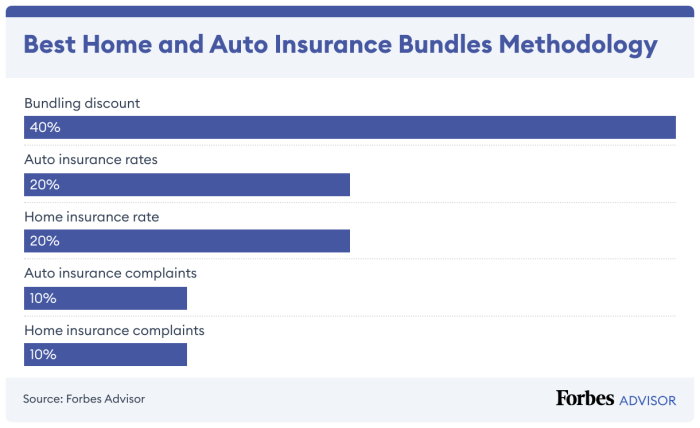
When it comes to insurance, deciding whether to bundle your car and house policies or purchase them separately can have a significant impact on your overall costs. Let's explore the differences between bundled and separate policies to help you make an informed decision.
Cost Analysis: Bundled vs. Separate Policies
- When you bundle your car and house insurance policies with the same provider, you may be eligible for a multi-policy discount. This discount can result in overall savings compared to purchasing each policy separately.
- However, it's essential to compare the total cost of bundled insurance versus separate policies. In some cases, individual policies from different providers may be cheaper than a bundled package.
Advantages and Disadvantages of Bundled Policies
- Advantages:
- Convenience: Managing one insurance provider for both car and house policies can simplify the process and reduce administrative tasks.
- Discounts: Bundling policies often come with discounts or special offers that can lead to cost savings.
- Disadvantages:
- Limitations: Bundled policies may not offer as much flexibility or customization compared to separate policies tailored to specific needs.
- Cost Comparisons: It's crucial to regularly review and compare the costs of bundled versus separate policies to ensure you're getting the best deal.
Real-Life Scenarios
- Scenario 1: A young couple with multiple vehicles and a homeowner's policy may benefit from bundling their insurance to take advantage of multi-policy discounts and streamline their coverage.
- Scenario 2: An individual who owns a vintage car and a rental property may find that separate policies offer more tailored coverage options and better protection for their unique assets.
Customizing Bundled Insurance Policies
When it comes to bundled insurance policies, customization is key to ensuring that you have the coverage you need without paying for unnecessary extras. By tailoring your policy to suit your specific needs, you can maximize your savings while still having peace of mind knowing that you are adequately protected.
Adding or Removing Coverage Options
- Consider your individual circumstances and assess which coverage options are essential for you. For example, if you live in an area prone to natural disasters, adding additional coverage for flood or earthquake damage may be crucial.
- Conversely, if you own your home outright and no longer have a mortgage, you may decide to remove mortgage insurance from your bundle to reduce costs.
- Consult with your insurance provider to understand the implications of adding or removing specific coverage options, as this may impact your overall premium.
Maximizing Savings
- Bundle multiple policies with the same insurance provider to take advantage of multi-policy discounts.
- Opt for a higher deductible on your bundled policies to lower your premiums, but make sure you can afford the out-of-pocket expenses in case of a claim.
- Review your coverage periodically to ensure it still aligns with your needs and make adjustments as necessary to avoid overpaying for unnecessary coverage.
Understanding Policy Terms and Conditions
When it comes to car and house insurance bundles, it is crucial for policyholders to have a clear understanding of the terms and conditions associated with their insurance policies. By breaking down the common terms and conditions, identifying limitations, and knowing how to interpret the fine print, policyholders can make informed decisions and avoid any surprises in the future.
Common Terms and Conditions in Bundled Insurance Policies
- Policy Coverage: This Artikels what is covered by the insurance policy, including specific details on coverage for both the car and house.
- Premiums: The amount policyholders need to pay for the insurance coverage, which can vary based on factors such as the value of the car and house, as well as the selected coverage options.
- Deductibles: The amount that policyholders are required to pay out of pocket before the insurance coverage kicks in, which can differ for car and house insurance within a bundle.
- Claims Process: The steps policyholders need to follow when filing a claim for damages to their car or house, including any specific requirements for bundled policies.
Limitations and Restrictions in Bundled Insurance Policies
- Exclusions: Certain events or damages may not be covered by the insurance policy, so it is important to be aware of any exclusions that could impact the coverage for both the car and house.
- Policy Limits: There may be limits on the amount of coverage provided for certain items or events, so policyholders should understand these limits to avoid being underinsured.
- Bundling Requirements: Some insurance companies may have specific requirements for bundling car and house insurance, such as both policies needing to be with the same provider or meeting certain criteria.
Interpreting and Navigating the Fine Print
- Review Carefully: Take the time to carefully review the terms and conditions of the bundled insurance policy, paying close attention to any clauses or conditions that may impact coverage.
- Seek Clarification: If there are any terms or conditions that are unclear, do not hesitate to reach out to the insurance provider for clarification to ensure you fully understand your coverage.
- Stay Informed: Stay informed about any changes to the terms and conditions of your bundled policy, as updates may impact your coverage or premiums.
Outcome Summary
In conclusion, the debate over the affordability of bundled insurance policies continues to intrigue consumers, highlighting the importance of understanding the nuances of these packages before making a decision.
User Queries
Are bundled insurance packages always cheaper than separate policies?
While bundling can provide savings, it's essential to compare prices to ensure the best deal for your specific needs. Factors like coverage types and individual circumstances play a role in determining actual costs.
Can I customize a bundled insurance policy to fit my requirements?
Yes, most insurance companies offer customization options to tailor bundled policies according to individual needs, allowing policyholders to add or remove coverage options as necessary.
What are some common limitations of bundled insurance packages?
Limitations may include restrictions on coverage amounts or specific conditions for discounts. It's crucial to carefully review the terms and conditions to understand any potential limitations.