


Exploring the world of commercial painting contractors, this introductory piece sets the stage for a deep dive into the responsibilities, qualifications, and services offered by professionals in the field.
From the importance of hiring skilled contractors to the various types of projects they handle, this overview provides valuable insights for anyone seeking commercial painting services.
Overview of Commercial Painting Contractors
Commercial painting contractors play a crucial role in enhancing the aesthetics and durability of commercial properties. These professionals are responsible for painting and coating various surfaces in commercial buildings, such as offices, retail spaces, warehouses, and more.
Role and Responsibilities
Commercial painting contractors are tasked with preparing surfaces, selecting the appropriate paints and coatings, and applying them efficiently and effectively. They must ensure that the final result meets the client's expectations while adhering to safety and quality standards.
Importance of Hiring Professionals
Hiring professional commercial painting contractors is essential to achieve a high-quality finish that not only enhances the appearance of the property but also protects it from damage and wear. Professionals have the expertise, experience, and tools to handle commercial painting projects of all sizes and complexities.
Services Offered
- Interior and exterior painting
- Surface preparation and repair
- Color consultation and selection
- Specialized coatings and finishes
- Project management and scheduling
- Compliance with safety regulations
Qualifications and Certifications
Commercial painting contractors are required to have specific qualifications and certifications to ensure quality workmanship in their projects. These credentials play a crucial role in the selection process for hiring contractors for commercial painting jobs.
Necessary Qualifications and Certifications
Commercial painting contractors must possess the following qualifications and certifications:
- Valid contractor's license: To legally operate as a commercial painting contractor, individuals or companies must hold a valid contractor's license issued by the state or local licensing board.
- Insurance coverage: Contractors should have liability insurance and workers' compensation coverage to protect both their workers and clients in case of accidents or damages during the project.
- Training and experience: Contractors should have relevant training and experience in commercial painting to ensure they have the necessary skills and knowledge to handle various types of painting projects.
Importance of Certifications in Ensuring Quality Workmanship
Certifications in commercial painting demonstrate that contractors have met specific industry standards and have the expertise to deliver high-quality work. These certifications often require contractors to undergo training, pass exams, and adhere to professional guidelines, ensuring that they are equipped to handle complex commercial painting projects effectively.
Impact on the Selection Process
When hiring commercial painting contractors, qualifications and certifications play a significant role in the selection process. Clients are more likely to choose contractors who have the necessary credentials as it gives them confidence in the contractor's capabilities and commitment to delivering quality results.
Additionally, certifications can serve as a benchmark for comparing different contractors and making an informed decision based on their qualifications.
Types of Commercial Painting Projects
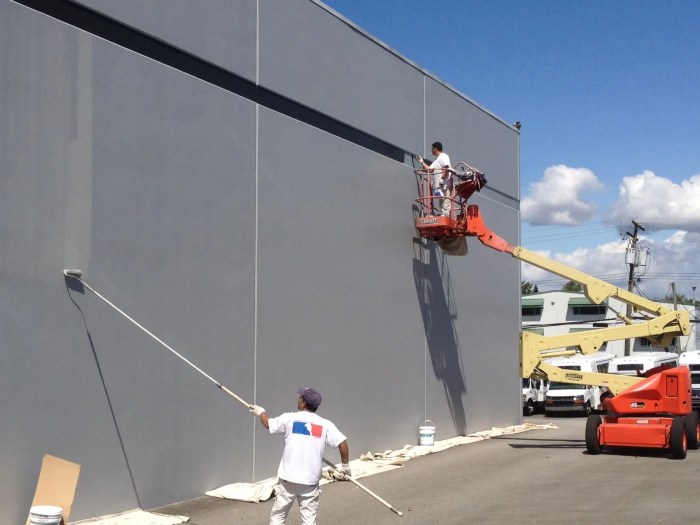
When it comes to commercial painting projects, contractors are often faced with a variety of different types of jobs that require specialized skills and expertise. Let's explore some of the common types of commercial painting projects and the challenges associated with each.
Exterior Painting
Exterior painting projects involve painting the outside of commercial buildings such as offices, warehouses, and retail spaces. These projects require contractors to consider factors like weather conditions, surface preparation, and the use of durable paint that can withstand the elements.
Interior Painting
Interior painting projects involve painting the interior walls, ceilings, and other surfaces of commercial buildings. Contractors must pay attention to details like color selection, paint quality, and minimizing disruption to the occupants of the building.
Specialized Coatings
Some commercial painting projects require specialized coatings such as epoxy coatings for industrial floors, anti-graffiti coatings for public spaces, or fire-retardant coatings for safety compliance. Contractors need to have specific expertise in applying these coatings to ensure proper adhesion and performance.
Historic Restoration
Historic restoration projects involve preserving and restoring the original appearance of historic buildings. This type of project requires contractors with knowledge of historical painting techniques, materials, and the ability to work with delicate surfaces without causing damage.
High-Rise Painting
High-rise painting projects involve painting tall buildings or structures that require specialized equipment like scaffolding or aerial lifts. Contractors must adhere to strict safety protocols and have experience working at heights to complete these projects successfully.
Healthcare Facilities
Painting projects in healthcare facilities, such as hospitals or clinics, require contractors to follow strict regulations for infection control, ventilation, and the use of low-VOC paints to ensure the safety and health of patients and staff.
Materials and Techniques
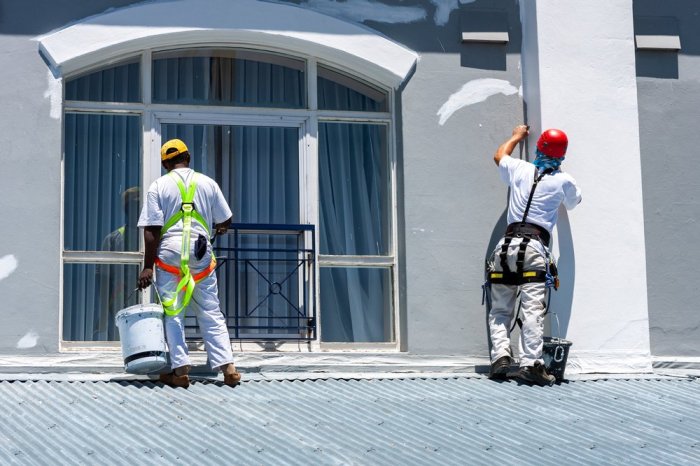
Commercial painting contractors utilize a variety of paints, coatings, and materials to ensure the success of their projects. Choosing the right materials and techniques is crucial for achieving long-lasting and high-quality results.
Types of Paints and Coatings
- Acrylic Paint: A popular choice for its durability and versatility, acrylic paint is water-based and dries quickly.
- Epoxy Coatings: Known for their exceptional adhesion and resistance to chemicals, epoxy coatings are often used for industrial and commercial floors.
- Urethane Paint: Offering excellent UV resistance and color retention, urethane paint is commonly used for outdoor applications.
Traditional vs Modern Techniques
- Traditional Brush and Roller: While still widely used, traditional brush and roller techniques require more time and effort compared to modern methods.
- Spray Painting: Modern spray painting techniques are faster and more efficient, covering large areas evenly and achieving a smooth finish.
- Power Washing: Utilizing high-pressure water spray, power washing is an effective method for preparing surfaces before painting.
Choosing the Right Materials
- Surface Type: Different surfaces require specific paints and coatings to ensure proper adhesion and longevity.
- Environmental Factors: Considering factors such as exposure to sunlight, moisture, and chemicals is crucial in selecting materials that can withstand these conditions.
- Project Goals: Understanding the desired outcome of the project helps in choosing materials that meet the aesthetic and functional requirements.
Safety and Regulations
When it comes to commercial painting projects, safety should always be a top priority for contractors. Adhering to strict safety measures and regulations is crucial to ensuring the well-being of workers and the successful completion of the project.
Safety Measures and Regulations
- Commercial painting contractors must provide proper safety training to all employees, including instruction on the safe use of equipment and materials.
- Workers should be equipped with personal protective gear such as goggles, gloves, and masks to prevent exposure to harmful chemicals and fumes.
- Regular safety inspections should be conducted on scaffolding, ladders, and other equipment to identify and address any potential hazards.
- Compliance with Occupational Safety and Health Administration (OSHA) regulations is mandatory to maintain a safe working environment.
Significance of Following Safety Protocols
- Following safety protocols not only protects the well-being of workers but also reduces the risk of accidents and injuries on the job site.
- By prioritizing safety, contractors can improve productivity and efficiency by creating a secure work environment that allows employees to focus on their tasks without fear of harm.
Impact of Compliance on Project Success
- Compliance with safety regulations can lead to a positive reputation for the contractor, attracting more clients who prioritize safety in their projects.
- Adhering to regulations also minimizes the risk of costly fines and penalties, ensuring that the project stays on track and within budget.
- Ultimately, prioritizing safety and following regulations can contribute to the overall success of commercial painting projects by fostering a culture of responsibility and professionalism within the team.
Final Wrap-Up
In conclusion, commercial painting contractors play a vital role in ensuring the success and quality of projects through their expertise and adherence to safety regulations. This guide serves as a comprehensive resource for understanding the intricacies of working with commercial painting contractors.
General Inquiries
What are the common responsibilities of commercial painting contractors?
Commercial painting contractors are typically responsible for surface preparation, paint application, and ensuring the quality and durability of the finish.
How do certifications impact the work of commercial painting contractors?
Certifications ensure that contractors have the necessary skills and knowledge to deliver high-quality work, instilling confidence in clients.
What are some specialized commercial painting projects that contractors handle?
Specialized projects can include painting high-rise buildings, industrial complexes, and historical structures that require specific expertise and techniques.
Why is compliance with safety regulations crucial for commercial painting projects?
Adhering to safety regulations not only protects the workers and clients but also ensures the successful completion of projects without any incidents.