


Custom patio doors near me offer a unique touch to any home, blending style with functionality. From various types to installation processes, this guide delves into everything you need to know about custom patio doors in your vicinity.
As you navigate through the intricacies of custom patio doors, you'll discover the key factors to consider, the maintenance requirements, and much more.
Types of Custom Patio Doors
When it comes to custom patio doors, there are several different types to choose from, each offering unique features and benefits. Let's explore some of the most popular options available:
Sliding Glass Doors
Sliding glass doors are a classic choice for patio entrances. They are easy to operate, space-saving, and provide a seamless transition between indoor and outdoor spaces. These doors are typically made of glass panels framed in materials like aluminum or vinyl.
French Patio Doors
French patio doors are elegant and timeless, featuring a pair of hinged doors that swing open from the center. They add a touch of sophistication to any space and allow for a wide opening to the outdoors. These doors are usually made of wood, fiberglass, or vinyl.
Folding Patio Doors
Folding patio doors, also known as bi-fold doors, offer a modern and stylish look to any home. They consist of multiple panels that fold and stack neatly to the side, creating a wide opening. These doors are often made of aluminum, wood, or vinyl.
Materials Used for Custom Patio Doors
The materials used for custom patio doors play a significant role in their performance and durability. Here is a comparison of the most common materials used:
- Wood: Wood patio doors offer a classic and natural look, providing excellent insulation and energy efficiency. However, they require regular maintenance to prevent warping or rotting.
- Aluminum: Aluminum patio doors are lightweight, durable, and low-maintenance. They are also excellent for larger door sizes and offer a modern aesthetic.
- Vinyl: Vinyl patio doors are affordable, energy-efficient, and require minimal maintenance. They are resistant to moisture and are available in various colors and finishes.
- Fiberglass: Fiberglass patio doors are strong, durable, and energy-efficient. They can mimic the look of wood without the maintenance requirements.
Benefits of Different Types of Custom Patio Doors
Each type of custom patio door comes with its own set of benefits:
- Sliding Glass Doors: Easy to operate, space-saving, and provide a seamless indoor-outdoor connection.
- French Patio Doors: Elegant, timeless, and offer a wide opening for a luxurious feel.
- Folding Patio Doors: Modern, stylish, and create a wide opening for an expansive view.
Choosing the Right Custom Patio Door
When it comes to selecting a custom patio door, there are several factors to consider to ensure you choose the right one for your space. From measurements to style and design, each decision plays a crucial role in the overall look and functionality of your patio door.
Factors to Consider When Selecting a Custom Patio Door
- Size of the Opening: Measure the width and height of the existing opening to ensure the custom patio door fits perfectly.
- Material: Choose a material that suits your needs, whether it's wood, vinyl, fiberglass, or aluminum.
- Energy Efficiency: Consider the energy efficiency of the door to help regulate temperature and reduce energy costs.
- Security Features: Look for doors with secure locking mechanisms to keep your home safe.
- Style and Design: Select a style and design that complements the overall aesthetics of your home and patio.
How to Measure for a Custom Patio Door
Measure the width and height of the opening, ensuring accuracy for a snug fit. Consider the depth of the frame and any obstacles that may affect the installation.
Tips on Choosing the Right Style and Design
- Consider the architectural style of your home when choosing the design of the patio door.
- Opt for a style that allows natural light to flow into your space, such as sliding glass doors or French doors.
- Choose a color and finish that complements the exterior of your home for a cohesive look.
- Customize the door with decorative glass inserts, grids, or hardware to add a personal touch.
Custom Patio Door Installation Process
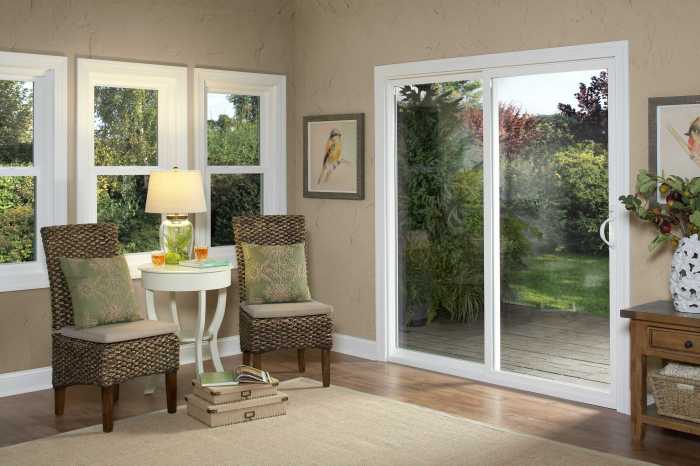
Installing custom patio doors involves several steps to ensure a proper and secure fit. Here is an overview of the installation process along with tips and solutions for common challenges that may arise.
Preparing the Opening for a Custom Patio Door
- Measure the opening accurately to ensure the custom patio door fits properly.
- Clear any obstructions or debris from the area to create a clean workspace.
- Check the level of the opening to ensure the door will be installed correctly.
Common Challenges During Custom Patio Door Installation
- Uneven flooring or walls can make installation difficult. Use shims to level the door and ensure a proper fit.
- Improper sealing can lead to drafts and energy loss. Use weatherstripping and caulk to seal any gaps around the door.
- Difficulty aligning the door with the frame. Make sure to adjust the hinges and hardware as needed for a smooth operation.
Maintaining Custom Patio Doors
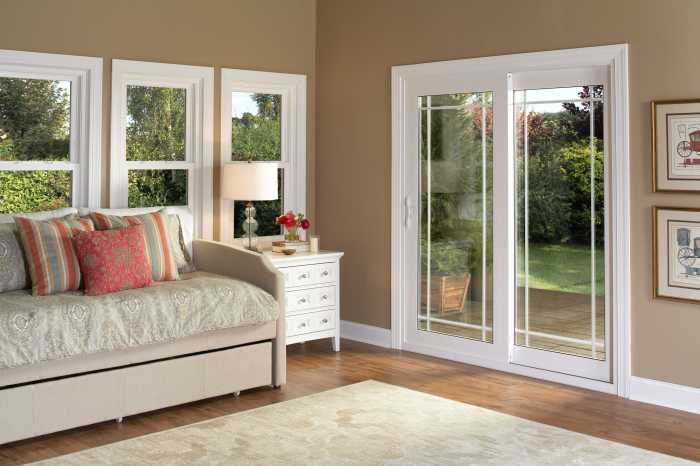
Maintaining custom patio doors is essential to ensure their longevity and optimal performance. Regular cleaning and upkeep can prevent issues and keep your doors looking great for years to come.
Cleaning and Maintenance Schedule
- Regularly clean the glass panels with a mild detergent and water to remove dirt and grime. Avoid using harsh chemicals that can damage the glass or frame.
- Inspect the weather-stripping and seals for any signs of wear or damage. Replace them if necessary to prevent drafts and energy loss.
- Lubricate the hinges, tracks, and rollers with a silicone-based lubricant to ensure smooth operation. Clean any debris that may be causing friction.
- Check the hardware, such as handles and locks, for any loose screws or malfunctions. Tighten or replace as needed to maintain security.
- Trim any vegetation near the doors to prevent damage from branches or leaves. Keep the area around the doors clean and free from debris.
Troubleshooting Common Issues
- If the door is sticking or difficult to open, check for debris in the tracks or rollers. Clean them thoroughly and lubricate to improve functionality.
- If there are drafts or leaks around the edges of the door, inspect the weather-stripping and seals for damage. Replace if necessary to improve energy efficiency.
- If the door is not locking properly, adjust the strike plate or latch mechanism to ensure a secure closure. Replace any faulty hardware if needed.
- If the glass is fogging up between the panes, it may indicate a broken seal. Contact a professional to repair or replace the glass to prevent further damage.
Outcome Summary
In conclusion, custom patio doors near me are not just about enhancing your home's aesthetics but also about creating a seamless indoor-outdoor connection. With the right knowledge and tips at your disposal, you can transform your living space with these bespoke doors.
Question Bank
What are the benefits of custom patio doors?
Custom patio doors offer enhanced aesthetics, better natural light, and improved energy efficiency compared to standard doors.
How do I measure for a custom patio door?
To measure for a custom patio door, measure the width and height of the door opening, ensuring accuracy for a perfect fit.
What materials are commonly used for custom patio doors?
Materials such as wood, vinyl, aluminum, and fiberglass are commonly used for custom patio doors, each with its unique benefits.
How often should I clean and maintain custom patio doors?
Regular cleaning and maintenance of custom patio doors should be done at least twice a year to ensure longevity and optimal performance.
What are some common challenges during custom patio door installation?
Common challenges include uneven floors, misalignment of the door frame, and issues with sealing, which can be addressed with professional help.
Custom patio doors near me offer a unique touch to any home, blending style with functionality. From various types to installation processes, this guide delves into everything you need to know about custom patio doors in your vicinity.
As you navigate through the intricacies of custom patio doors, you'll discover the key factors to consider, the maintenance requirements, and much more.
Types of Custom Patio Doors
When it comes to custom patio doors, there are several different types to choose from, each offering unique features and benefits. Let's explore some of the most popular options available:
Sliding Glass Doors
Sliding glass doors are a classic choice for patio entrances. They are easy to operate, space-saving, and provide a seamless transition between indoor and outdoor spaces. These doors are typically made of glass panels framed in materials like aluminum or vinyl.
French Patio Doors
French patio doors are elegant and timeless, featuring a pair of hinged doors that swing open from the center. They add a touch of sophistication to any space and allow for a wide opening to the outdoors. These doors are usually made of wood, fiberglass, or vinyl.
Folding Patio Doors
Folding patio doors, also known as bi-fold doors, offer a modern and stylish look to any home. They consist of multiple panels that fold and stack neatly to the side, creating a wide opening. These doors are often made of aluminum, wood, or vinyl.
Materials Used for Custom Patio Doors
The materials used for custom patio doors play a significant role in their performance and durability. Here is a comparison of the most common materials used:
- Wood: Wood patio doors offer a classic and natural look, providing excellent insulation and energy efficiency. However, they require regular maintenance to prevent warping or rotting.
- Aluminum: Aluminum patio doors are lightweight, durable, and low-maintenance. They are also excellent for larger door sizes and offer a modern aesthetic.
- Vinyl: Vinyl patio doors are affordable, energy-efficient, and require minimal maintenance. They are resistant to moisture and are available in various colors and finishes.
- Fiberglass: Fiberglass patio doors are strong, durable, and energy-efficient. They can mimic the look of wood without the maintenance requirements.
Benefits of Different Types of Custom Patio Doors
Each type of custom patio door comes with its own set of benefits:
- Sliding Glass Doors: Easy to operate, space-saving, and provide a seamless indoor-outdoor connection.
- French Patio Doors: Elegant, timeless, and offer a wide opening for a luxurious feel.
- Folding Patio Doors: Modern, stylish, and create a wide opening for an expansive view.
Choosing the Right Custom Patio Door
When it comes to selecting a custom patio door, there are several factors to consider to ensure you choose the right one for your space. From measurements to style and design, each decision plays a crucial role in the overall look and functionality of your patio door.
Factors to Consider When Selecting a Custom Patio Door
- Size of the Opening: Measure the width and height of the existing opening to ensure the custom patio door fits perfectly.
- Material: Choose a material that suits your needs, whether it's wood, vinyl, fiberglass, or aluminum.
- Energy Efficiency: Consider the energy efficiency of the door to help regulate temperature and reduce energy costs.
- Security Features: Look for doors with secure locking mechanisms to keep your home safe.
- Style and Design: Select a style and design that complements the overall aesthetics of your home and patio.
How to Measure for a Custom Patio Door
Measure the width and height of the opening, ensuring accuracy for a snug fit. Consider the depth of the frame and any obstacles that may affect the installation.
Tips on Choosing the Right Style and Design
- Consider the architectural style of your home when choosing the design of the patio door.
- Opt for a style that allows natural light to flow into your space, such as sliding glass doors or French doors.
- Choose a color and finish that complements the exterior of your home for a cohesive look.
- Customize the door with decorative glass inserts, grids, or hardware to add a personal touch.
Custom Patio Door Installation Process
Installing custom patio doors involves several steps to ensure a proper and secure fit. Here is an overview of the installation process along with tips and solutions for common challenges that may arise.
Preparing the Opening for a Custom Patio Door
- Measure the opening accurately to ensure the custom patio door fits properly.
- Clear any obstructions or debris from the area to create a clean workspace.
- Check the level of the opening to ensure the door will be installed correctly.
Common Challenges During Custom Patio Door Installation
- Uneven flooring or walls can make installation difficult. Use shims to level the door and ensure a proper fit.
- Improper sealing can lead to drafts and energy loss. Use weatherstripping and caulk to seal any gaps around the door.
- Difficulty aligning the door with the frame. Make sure to adjust the hinges and hardware as needed for a smooth operation.
Maintaining Custom Patio Doors
Maintaining custom patio doors is essential to ensure their longevity and optimal performance. Regular cleaning and upkeep can prevent issues and keep your doors looking great for years to come.
Cleaning and Maintenance Schedule
- Regularly clean the glass panels with a mild detergent and water to remove dirt and grime. Avoid using harsh chemicals that can damage the glass or frame.
- Inspect the weather-stripping and seals for any signs of wear or damage. Replace them if necessary to prevent drafts and energy loss.
- Lubricate the hinges, tracks, and rollers with a silicone-based lubricant to ensure smooth operation. Clean any debris that may be causing friction.
- Check the hardware, such as handles and locks, for any loose screws or malfunctions. Tighten or replace as needed to maintain security.
- Trim any vegetation near the doors to prevent damage from branches or leaves. Keep the area around the doors clean and free from debris.
Troubleshooting Common Issues
- If the door is sticking or difficult to open, check for debris in the tracks or rollers. Clean them thoroughly and lubricate to improve functionality.
- If there are drafts or leaks around the edges of the door, inspect the weather-stripping and seals for damage. Replace if necessary to improve energy efficiency.
- If the door is not locking properly, adjust the strike plate or latch mechanism to ensure a secure closure. Replace any faulty hardware if needed.
- If the glass is fogging up between the panes, it may indicate a broken seal. Contact a professional to repair or replace the glass to prevent further damage.
Outcome Summary
In conclusion, custom patio doors near me are not just about enhancing your home's aesthetics but also about creating a seamless indoor-outdoor connection. With the right knowledge and tips at your disposal, you can transform your living space with these bespoke doors.
Question Bank
What are the benefits of custom patio doors?
Custom patio doors offer enhanced aesthetics, better natural light, and improved energy efficiency compared to standard doors.
How do I measure for a custom patio door?
To measure for a custom patio door, measure the width and height of the door opening, ensuring accuracy for a perfect fit.
What materials are commonly used for custom patio doors?
Materials such as wood, vinyl, aluminum, and fiberglass are commonly used for custom patio doors, each with its unique benefits.
How often should I clean and maintain custom patio doors?
Regular cleaning and maintenance of custom patio doors should be done at least twice a year to ensure longevity and optimal performance.
What are some common challenges during custom patio door installation?
Common challenges include uneven floors, misalignment of the door frame, and issues with sealing, which can be addressed with professional help.