
Exploring the charm and elegance of natural wood siding houses unveils a world of architectural wonder. From the warmth of wood to the timeless appeal it exudes, these houses stand as a testament to nature's beauty intertwined with human craftsmanship.
Delving deeper, we uncover the secrets behind the choice of wood, the installation process, and the environmental impact of these stunning abodes.
Introduction to Natural Wood Siding Houses
Natural wood siding is a type of exterior cladding made from real wood that is used to cover and protect the walls of a house. It provides a classic, rustic look that adds warmth and character to a home.
There are several benefits to using natural wood siding for houses. It is a sustainable and renewable material, making it an environmentally friendly choice. Wood siding is also durable and can last for many years with proper maintenance. Additionally, it offers natural insulation properties, helping to regulate temperature and reduce energy costs.
Types of Wood Used for Siding
There are various types of wood commonly used for siding, each with its own unique characteristics. Cedar, pine, redwood, and cypress are popular choices due to their natural resistance to rot and insects. Cedar is known for its aromatic scent and rich color, while pine offers a more budget-friendly option.
Redwood and cypress are prized for their durability and natural beauty.
Aesthetic Appeal
Natural wood siding houses are highly desirable for their aesthetic appeal. The warmth and texture of real wood add a timeless charm to any home, creating a welcoming and cozy atmosphere. Wood siding can be stained or painted in a variety of colors to suit different architectural styles and personal preferences.
Installation of Natural Wood Siding
Installing natural wood siding can enhance the aesthetic appeal of a house while providing durability and insulation. However, proper installation is crucial to ensure longevity and prevent issues such as warping or rotting.
Steps for Installing Natural Wood Siding
- Prepare the surface: Make sure the surface is clean, dry, and free of any debris before starting the installation process.
- Apply a weather-resistant barrier: Install a weather-resistant barrier, such as building paper or house wrap, to protect the wood from moisture.
- Install starter strips: Begin by installing starter strips at the bottom of the wall to provide a level base for the siding.
- Place the siding: Start placing the wood siding from the bottom up, ensuring each piece overlaps the one below it to prevent water infiltration.
- Nail the siding: Use corrosion-resistant nails to secure the siding in place, making sure to leave a small gap between boards to allow for expansion.
- Finish the corners and trim: Cut and install corner pieces and trim to give the siding a polished look and protect vulnerable edges.
- Apply a protective finish: To enhance the longevity of the wood siding, apply a protective finish or stain to prevent damage from UV rays and moisture.
Comparison with Other Siding Materials
- Natural wood siding requires more maintenance compared to vinyl or fiber cement siding, as it needs to be resealed and refinished periodically.
- However, wood siding offers a unique and timeless look that cannot be replicated by other materials, adding value to the property.
Tips for Durable Wood Siding Installation
- Choose high-quality wood: Opt for durable wood species such as cedar or redwood that are naturally resistant to rot and decay.
- Properly seal and finish the wood: Apply a quality finish to protect the wood from moisture and UV damage, extending its lifespan.
- Maintain the siding regularly: Inspect the wood siding annually for any damage or signs of wear, and address issues promptly to prevent further damage.
Maintenance of Natural Wood Siding
- Clean the siding regularly: Remove dirt, mold, and mildew by washing the wood siding with a mild detergent and water solution.
- Inspect for damage: Check for cracks, warping, or peeling finish, and repair or replace damaged sections to maintain the integrity of the siding.
- Reapply finish as needed: Depending on the type of finish used, reapply a protective coat every few years to keep the wood siding looking fresh and protected.
Environmental Impact of Natural Wood Siding
When it comes to the environmental impact of natural wood siding, there are several key factors to consider.
Sustainability of Using Natural Wood Siding
Natural wood siding is a sustainable choice for houses as it is a renewable resource. When sourced from responsibly managed forests, the use of natural wood siding can help promote forest growth and biodiversity.
Contribution to Energy Efficiency
- Natural wood siding has natural insulating properties, which can help regulate indoor temperatures and reduce the need for heating or cooling, thus contributing to overall energy efficiency of a house.
- The ability of wood to absorb and release moisture can also help maintain a healthy indoor environment by reducing humidity levels.
Comparison to Other Siding Materials
Compared to other siding materials like vinyl or aluminum, natural wood siding has a lower carbon footprint as it requires less energy-intensive manufacturing processes. Additionally, wood is biodegradable and can be recycled or repurposed at the end of its lifespan.
Carbon Footprint of Natural Wood Siding Production
The carbon footprint of natural wood siding production can vary depending on factors such as transportation, processing methods, and forest management practices. However, overall, wood siding is considered to have a relatively low carbon footprint compared to other building materials.
Design Ideas and Inspiration
When it comes to incorporating natural wood siding into modern architecture, there are several design tips to consider. Natural wood can add warmth, texture, and a timeless appeal to a home's exterior. Here are some ideas to inspire your next project:
Showcasing Different Styles and Patterns
There are various styles and patterns you can explore when it comes to natural wood siding. From traditional horizontal lap siding to modern vertical board and batten, the options are endless. Consider mixing different siding styles for a unique look or creating patterns with varying wood tones for added visual interest.
Blending Natural Wood Siding with Other Materials
To achieve a cohesive look, it's essential to blend natural wood siding with other exterior materials thoughtfully. Pairing wood siding with stone, metal, or stucco can create a striking contrast and enhance the overall aesthetic of the home. Mixing textures and finishes can also add depth and character to the design.
Examples of Natural Wood Siding Houses
From cozy cabins in the mountains to sleek contemporary homes in urban settings, natural wood siding can be found in various architectural styles around the world. Look for inspiration in Scandinavian design with its emphasis on simplicity and natural materials or explore Japanese architecture known for its harmony with nature.
Summary
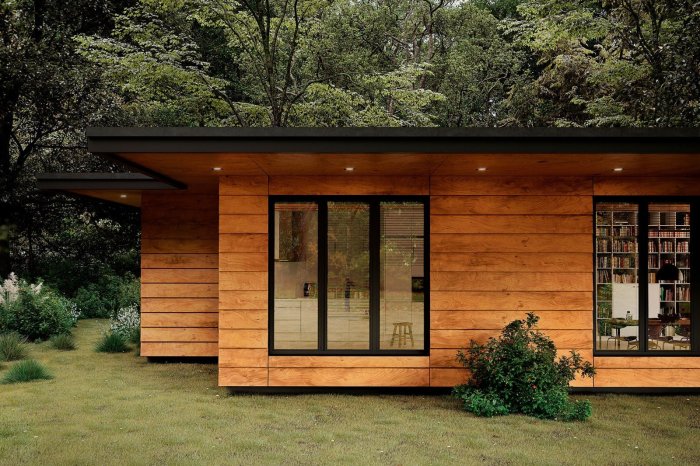
In conclusion, natural wood siding houses not only offer a visually stunning aesthetic but also promote sustainability and energy efficiency. Their versatility in design allows for a seamless blend with modern architecture, creating homes that are both eco-friendly and visually captivating.
FAQ Explained
What are the benefits of natural wood siding?
Natural wood siding offers a unique aesthetic appeal, is eco-friendly, and can contribute to better insulation.
How do you maintain natural wood siding?
Regular cleaning, staining, and sealing are essential for maintaining the beauty and longevity of natural wood siding.
Which types of wood are commonly used for siding?
Cedar, redwood, pine, and spruce are among the popular choices for natural wood siding due to their durability and appearance.